Home > Research & Insights >
Insights
Centering Lived Experience to Strengthen Trust, Partnerships, and Community Health and Well-being
Takeaway
A note of gratitude
The Foundation would like to express gratitude to all the Parent Support Specialists who participated in the committee, taking time to share their thoughts and experiences with us. These perspectives are instrumental to informing our work and reinforcing the Foundation’s commitment to equity, transparency, and partnership.
Introduction
St. David’s Foundation continues to evolve our work in response to the needs of our communities with the greatest health needs in Central Texas. Utilizing community voice to shape the work that we do is an integral part of striving to be a community-focused and equity-driven organization. In 2025, we created the Parent Support Specialists Advisory Committee to elevate community expertise to guide and inform the framing of community issues, co-design community solutions with the Foundation, and shape the actions of the Foundation. The committee was formed to guide the Dental Program, with lessons now informing Foundation-wide operations.
Advisory Committee
The Advisory Committee was created with two objectives in mind: 1) help identify the needs of families in Central Texas, primarily Travis County, and 2) inform strategy development around the Foundation’s strategic goals. The Advisory Committee consisted of 15 Austin ISD Parent Support Specialists who met five times over the year and were compensated for their time and expertise.
To facilitate our advisors’ contributions, a series of reflection exercises and group activities were used. Through storytelling and lived experience, members shared with our staff their own personal and professional experiences with families and students. Keeping in mind their distinct connection to the topics covered, members’ viewpoints created a nuanced and clearer understanding of how the issues discussed shape the lives of people in their school community. For instance, one member explained, “Discussing mental health challenges within communities of color is frequently perceived as labeling as a problem, or individuals may internalize it, viewing themselves as failures.” Thus, the breadth of perspectives, such as the one shared, provided unique insight to align elements like the Foundation’s strategic vision, grantmaking, and initiatives with community voice and effectively represent it.
What we learned from community
The Advisory Committee discussed four topics: mental health, dental services, housing, and scholarship access. The voices and expertise of the Advisory Committee directly contributed to the decisions of the Foundation.
For example, when the operational strategies for the Dental Program’s Outreach, Oral Health, and Complex Care teams discussed the upcoming school year plan (2025-2026) a new concept – Clinics on Wheels for Schools – was co-designed given input from the Committee.
We heard members highlight the importance of prioritizing connections with school administration and staff by working in tandem with them and utilizing school staff’s expertise to strengthen community ties. Discussions around people-focused systems and a need to improve community rapport, to reduce the fear and mistrust built in some communities, were strong points that led to the development of Clinic on Wheels for Schools, spearheaded by the program’s Oral Health Manager, Tina Madrigal, and Lead Dentist, Dr. Elodie Levy.
Originally designed to increase community awareness of dental services through tours of the mobile clinic at community events, the Clinic on Wheels for Schools model adapted this approach by shifting its focus, goal, and population. This updated model relied on strong collaboration between Dental Program staff and school administrations, allowing for a two-day mobile clinic visit for students and teachers before the start of dental services. Visits were scheduled by the school’s point of contact in coordination with the Program’s Oral Health Manager.
Each teacher brought their class to the assigned mobile clinic where the clinic team greeted them with an engaging and informative tour that included oral health education for students. Meanwhile, lead dentists met with the teachers and outlined the scope of services to clarify expectations during the clinic’s time on campus.
The changes were made based on the voices of the Parent Support Specialist Advisory Committee members and their emphasis on creating ties with those who the dental program team will be serving and working closely with including, school administration, staff, and students. Building trust with the students we serve has always been a priority, and opening the mobile clinics to create a welcoming, engaging learning environment was a natural way to do so.
Grounded in the voices of the members, the St. David’s Foundation Dental Program translated feedback into tangible, relationship-driven changes that helped shaped initiatives like the Clinic on Wheels for Schools.
Conclusion
The Parent Support Specialists Advisory Committee demonstrates how meaningful community engagement can move beyond consultation to true co-creation. By elevating lived experience and investing in trusted community relationships, St. David’s Foundation strengthened its understanding of the real-world conditions shaping family health and well-being in Central Texas.
Insights shared by advisory members directly informed program design, resulting in concrete, people-centered adaptations such as the evolution of the Clinic on Wheels model. These changes reflect the Foundation’s strong commitment to fostering trust, strengthening relationships, and partnering with schools and families in ways that respect and uplift their expertise.
As the Foundation continues to advance its strategic goals, the Advisory Committee model offers a clear pathway for embedding community voice into decision-making, ensuring that strategies, investments, and initiatives remain grounded in the lived realities of the communities with the greatest health needs.
Meet our Contributors
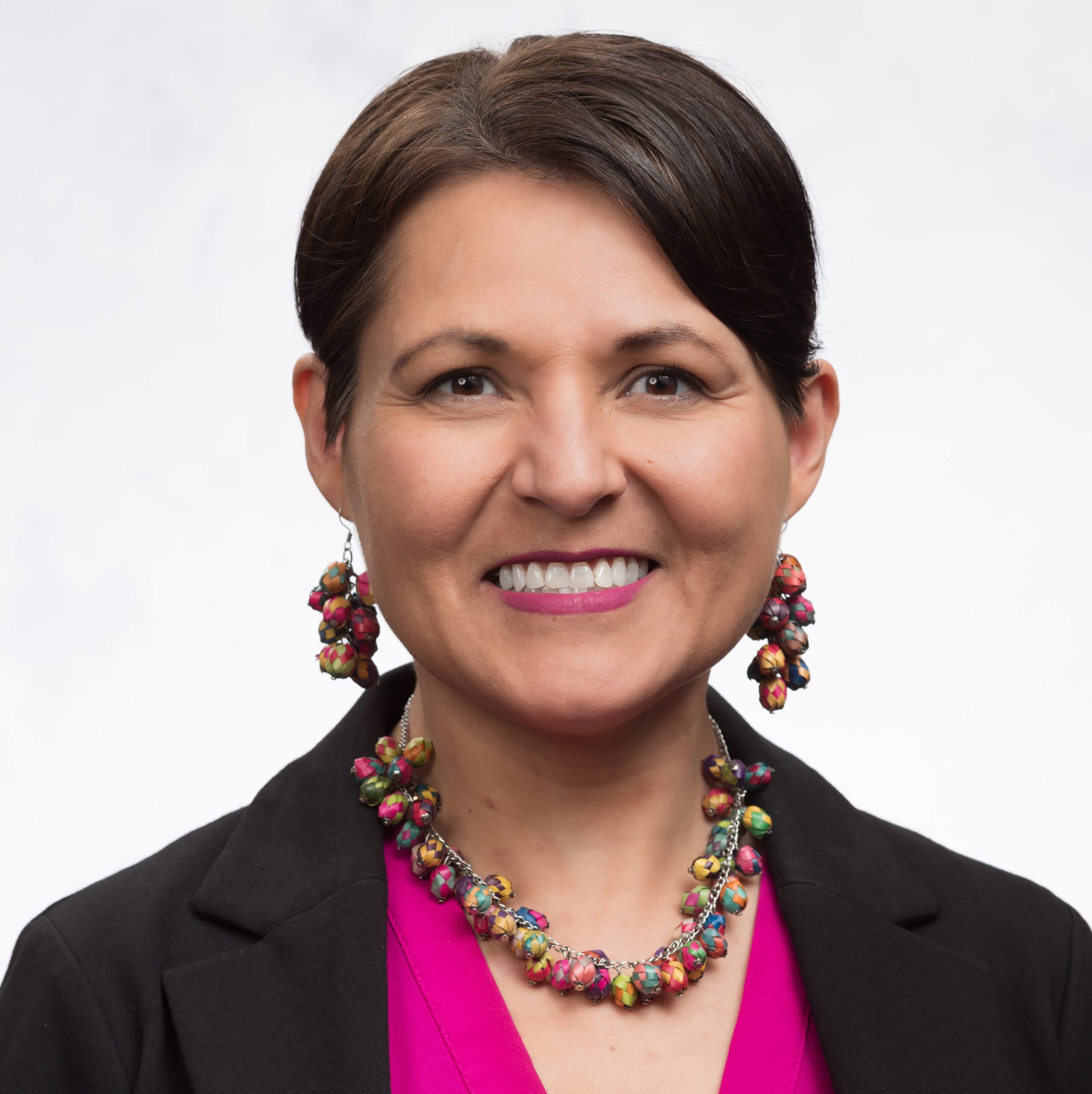
Staff
Susana Morales, MA